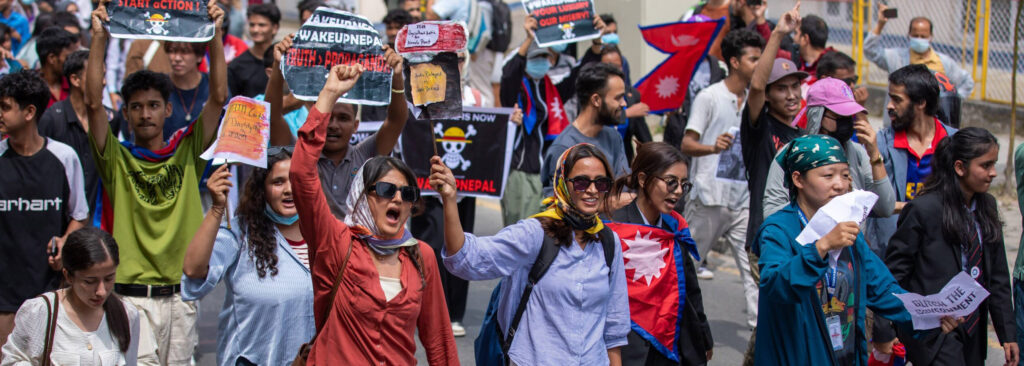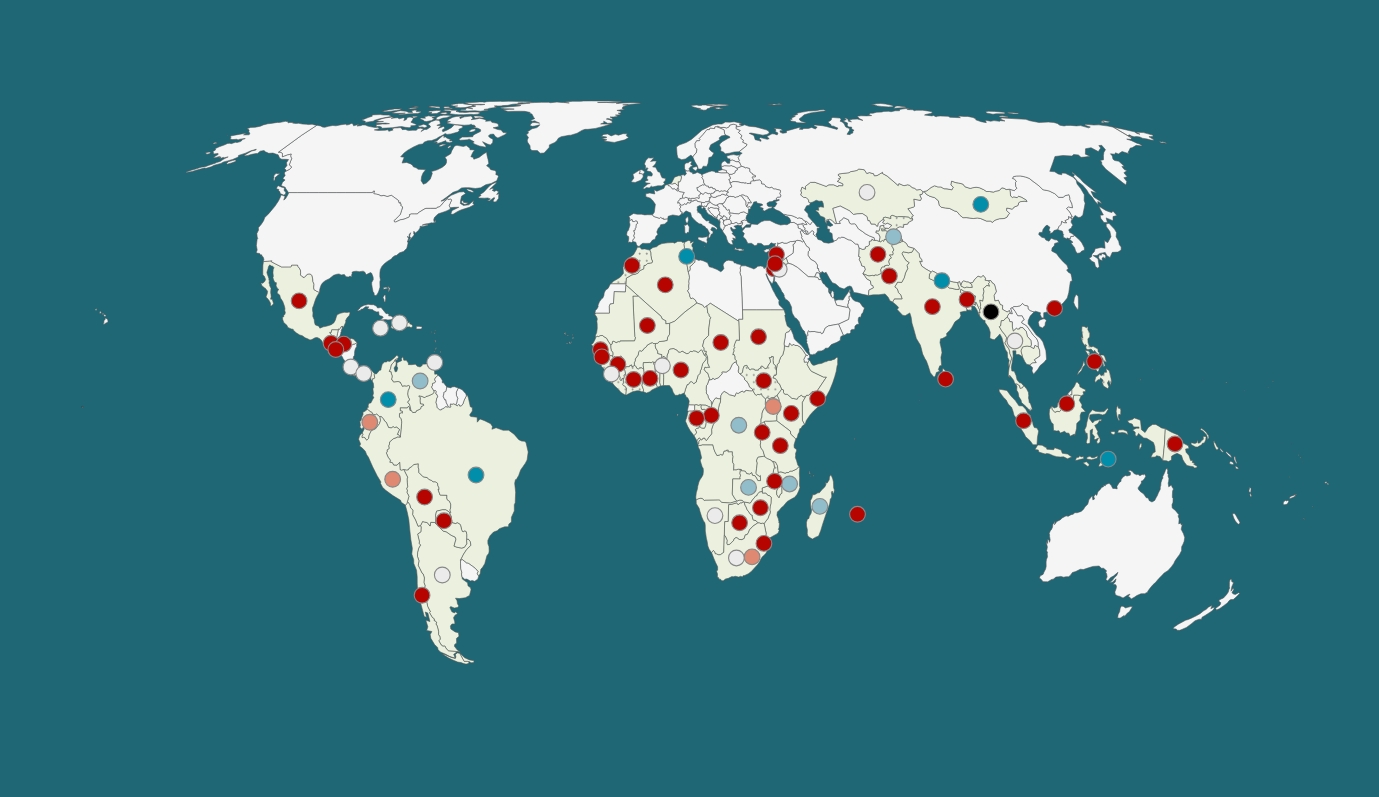
June 2026 was marked by a series of moves by governments to implement directives and taxes that placed further burdens on civil society actors, creating a prohibitive enabling environment. Across multiple regions, governments advanced reforms that expanded state authority over political participation, public information, civil society operations, and dissenting voices. The month was also punctuated by violence against vulnerable migrant communities in South Africa, where explosive political rhetoric bled into localised pogroms. At the same time, there were several positive developments, including improved access to information processes and an amnesty process which reduced sentences for imprisoned journalists.
1. Regulatory Measures as Instruments of Civic Space Restriction
The use of regulatory frameworks and administrative reforms to reshape the operating environment for civil society organisations and civic actors was a major trend of June, and one that has evolved over the last year.
In South Sudan, the Relief and Rehabilitation Commission (RRC) issued directives restricting NGOs and community-based organisations from engaging in activities deemed “political.’” Although framed as a clarification of NGO mandates, the directive significantly narrows the space for civil society engagement in public affairs and appears linked to recent protests by youth actors.
In Mali, the implementation of the 10% levy on associations and foundations deepened concerns regarding financial autonomy and state oversight. The new framework introduces extensive approval procedures, monitoring requirements, and sanctions ranging from suspension to complete prohibition of operations in the event of non-compliance.
In India, the new Income Tax Act 2025 entered into force, creating a unified Registered Non-Profit Organisation (RNPO) framework. While the reform simplifies some compliance requirements, it also increases scrutiny of foreign funding and limits revenue-generating activities, producing a mixed impact on civil society sustainability.
In Argentina, a proposed lobbying regulation bill raised concerns that broad registration and reporting requirements could place significant administrative burdens on advocacy organisations and potentially discourage participation in public policymaking.
Together, these developments illustrate a broader global trend in which governments increasingly rely on legal and administrative mechanisms to influence the scope and nature of civic engagement.
2. Securitisation of Governance and Expanding State Surveillance Powers
June also saw a notable increase in the securitisation of civic space, with governments expanding intelligence, policing, and surveillance capacities to police civic space.
In Panama, the establishment of a new Intelligence and Counterintelligence School raised concerns that vaguely defined concepts such as “disinformation operations” could be used to monitor activists, journalists, and social movements.
In Indonesia, Parliament approved revisions to the National Police Law that significantly expand police functions and permit active police officers to occupy civilian government positions without leaving the force. Civil society organisations warned that these changes blur institutional boundaries between civilian governance and law enforcement while increasing the risk of surveillance and restrictions on expression.
In Guatemala, a new cybersecurity initiative generated debate regarding the balance between strengthening digital security and protecting privacy, freedom of expression, and digital rights. Civil society organisations emphasised the need for robust safeguards to prevent cybersecurity frameworks from becoming tools for censorship or surveillance.
3. Pressure on Political Participation, Electoral Competition, and Democratic Pluralism
Democratic participation itself is under threat in many countries, with governments aggressively targeted electoral procedures to restrict civic space and firm up control.
In Algeria, the mass rejection of parliamentary election candidates by the Independent National Electoral Authority raised concerns regarding transparency and due process. Opposition parties argued that broad and vaguely defined eligibility provisions allowed authorities to exclude candidates on unclear grounds, potentially undermining public trust in electoral institutions.
In Tanzania, the Registrar of Political Parties continued proceedings against CHADEMA, the country’s main opposition party, citing statements by party leaders as potentially threatening public order.
In Zambia, however, a potentially restrictive development was partially reversed when President Hakainde Hichilema declined to assent to the Public Gatherings Bill and returned it to Parliament for reconsideration due to constitutional concerns. This decision was hesitantly welcomed by civil society actors, but concerns remain that this is only a temporary reprieve to ward off criticism and promote an illusory sense of deeper consultation.
4. Press Freedom, Freedom of Expression, and Access to Information Under Pressure
June’s alerts revealed persistent challenges to freedom of expression, media independence, and access to information.
In Argentina, President Javier Milei continued to escalate hostile rhetoric against journalists, repeatedly attacking media professionals and outlets through social media. Civil society organisations warned that such sustained delegitimisation contributes to harassment, self-censorship, and weakening of independent journalism.
In Peru, student protests were met not only by police interventions but also by media narratives portraying demonstrators as criminals or agitators. Such framing risks delegitimising student activism and discouraging civic participation.
At the same time, some positive developments emerged. In Tajikistan, several imprisoned journalists benefited from sentence reductions under a new amnesty law. In South Sudan, the Information Minister publicly committed to improving protection for journalists and strengthening cooperation with media actors, while in Brazil, the Supreme Federal Court expanded transparency requirements for public spending at state and municipal levels, representing a significant victory for accountability and access to information.
5. Civic Space, Vulnerable Communities, and Human Rights Protection
Several June alerts highlighted the intersection between civic space and the rights of vulnerable or marginalised communities.
In South Africa, anti-migrant mobilisation intensified ahead of a self-imposed deadline demanding undocumented migrants leave the country. Protests, intimidation, vigilante actions, and deadly attacks generated significant humanitarian consequences, including displacement, deaths, and increased insecurity for migrant communities.
In Chile, proposed immigration reforms would require education and health institutions to share personal information of migrants with immigration authorities. Critics warned that such measures could transform public service providers into immigration enforcement agents and discourage access to essential services.
In Ghana, Parliament passed a controversial anti-LGBTQ+ bill that extends beyond criminalisation of same-sex relationships to encompass advocacy, support, and funding activities. Human rights organisations argued that the legislation could significantly restrict freedoms of association and expression.
June Country Focus Reports and Snapshots
- Ghana Enabling Environment Snapshot
- Paraguay Enabling Environment Snapshot (Spanish)
- Somalia Enabling Environment Snapshot
- South Africa Enabling Environment Snapshot
- Indonesia Enabling Environment Snapshot
- Nigeria Enabling Environment Snapshot
- Democratic Republic of Congo Enabling Environment Snapshot
- El Salvador Enabling Environment Snapshot
- Jamaica Enabling Environment Snapshot
- Guatemala Panorama del Ambiente Habilitante
- Tajikistan Enabling Environment Snapshot
- Gabon Enabling Environment Snapshot
- Cambodia Enabling Environment Snapshot
- Ghana Country Focus Report
- Namibia Country Focus Report