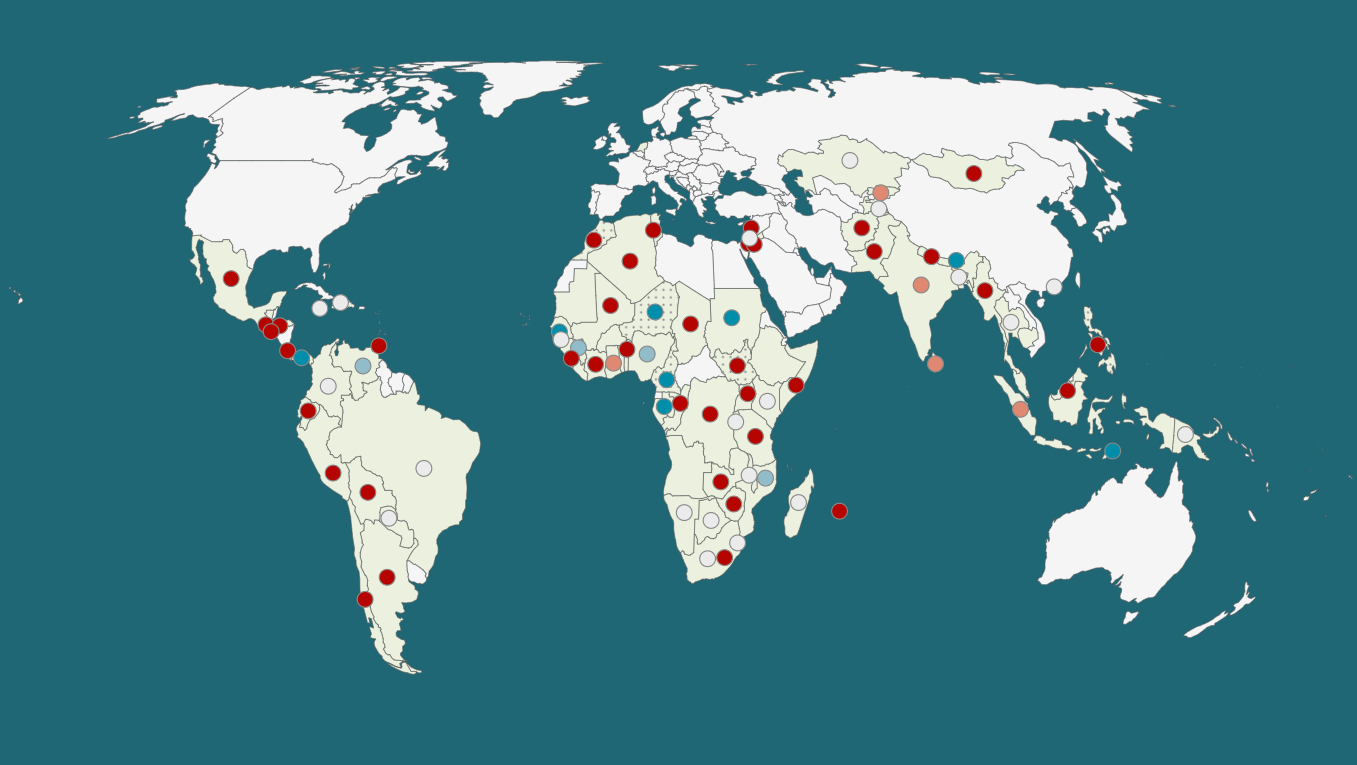
October 2026 was a month which saw a swell in the harassment of dissenting or critical voices, with restrictions on assembly and protest growing. 26 of the 64 total alerts were related to fundamental freedoms. Most of the direct attacks and harssament cases are concentrated in the Africa EU SEE region. The highest concentration of these alerts related to attacks on journalists, activists and independent voices. The battle around oversight and accountability mechanisms continued to rage too, this month, particularly in Latin America, with wins and losses for civil society.
In other news, the EU SEE & CIVICUS joint survey on the impact of funding cuts was published, showing that one in three civil society organisations surveyed are fighting for their survival, with two thirds expressing that their work has become less safe.
Pressure on Freedom of Expression, Journalists, and Independent Voices
The most common trend during October was the restriction of freedom of expression through arrests, harassment, censorship, legal action, and intimidation targeting journalists, activists, and civic actors. Across multiple regions, governments, armed actors, and political figures used both legal and extra-legal mechanisms to discourage scrutiny and criticism, contributing to self-censorship and a deteriorating information environment. Without a healthy information environment, society cannot function as it should, and civil society is restricted in its attempts to give voice to vulnerable communities.
- India: Environmental defender and activist Pranab Doley remained in prolonged preventive detention under the National Security Act, raising concerns about the criminalisation of dissent and advocacy.
- Burundi: Journalist Alexis Ndayisenga was subjected to police violence, prompting renewed concerns regarding press freedom and the safety of journalists.
- Bangladesh: Armed attack and death threats against journalists at Rajshahi University.
Restrictions on Political Participation, Protest, and Civic Mobilisation
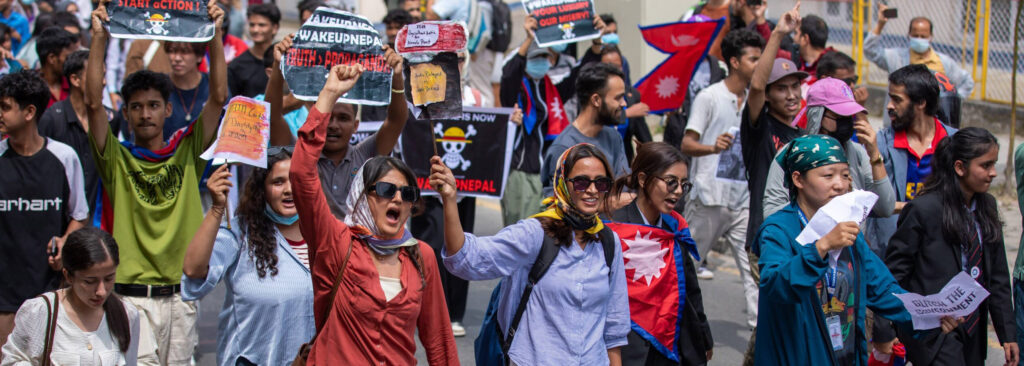
A second major pattern involved restrictions on political participation, opposition organising, and civic mobilisation. Several alerts documented barriers to protest, political activity, or independent organising, often justified through security, public order, or administrative arguments. These restrictions risk weakening democratic participation and reducing opportunities for citizens and civil society actors to influence public affairs. Here are some examples below.
- Zimbabwe: Authorities directed NGOs involved in disaster relief to operate through official structures, raising concerns about government control over independent civic action and limiting the autonomy of humanitarian responses.
- South Sudan: South Sudan authorities order suspension of humanitarian and civil society activities in Wau County-Western Bahr El Ghazal State.
- Tajikistan: Draft amendments to the Law on Public Associations generated concerns about future constraints on the operation and organisation of civic groups.
Accountability, Oversight, and Democratic Institutions
The third dominant trend concerned accountability, institutional oversight, and democratic governance. October alerts reflected both positive and negative developments affecting the ability of civil society and public institutions to monitor power, address corruption, and protect rights. In several countries, civic actors sought to strengthen institutional accountability, while in others governance failures, violence, or political interference undermined oversight mechanisms.
- Mozambique: Civil society organisations opened dialogue with the government and financial institutions regarding banking access barriers, illustrating efforts to strengthen accountability and improve the operating environment for civic actors.
- Niger: The establishment of the National Observatory for Human Rights and Fundamental Freedoms (ONDH/LF) represented a potentially positive step toward strengthening human rights monitoring and accountability mechanisms.
- Colombia: The murder of human rights defender Gabriel Pacheco in Putumayo highlighted the ongoing challenges facing accountability institutions and the protection of civic actors working in conflict-affected areas.