By the European Union System for an Enabling Environment for Civil Society (EU SEE) consortium and coordinated by Emma Achilli at the European Partnership for Democracy. Based on information provided by our network of members in 86 countries1 in Alerts, Enabling Environment Snapshots, and Country Focus Reports produced since February 2025.
The Perfect Storm
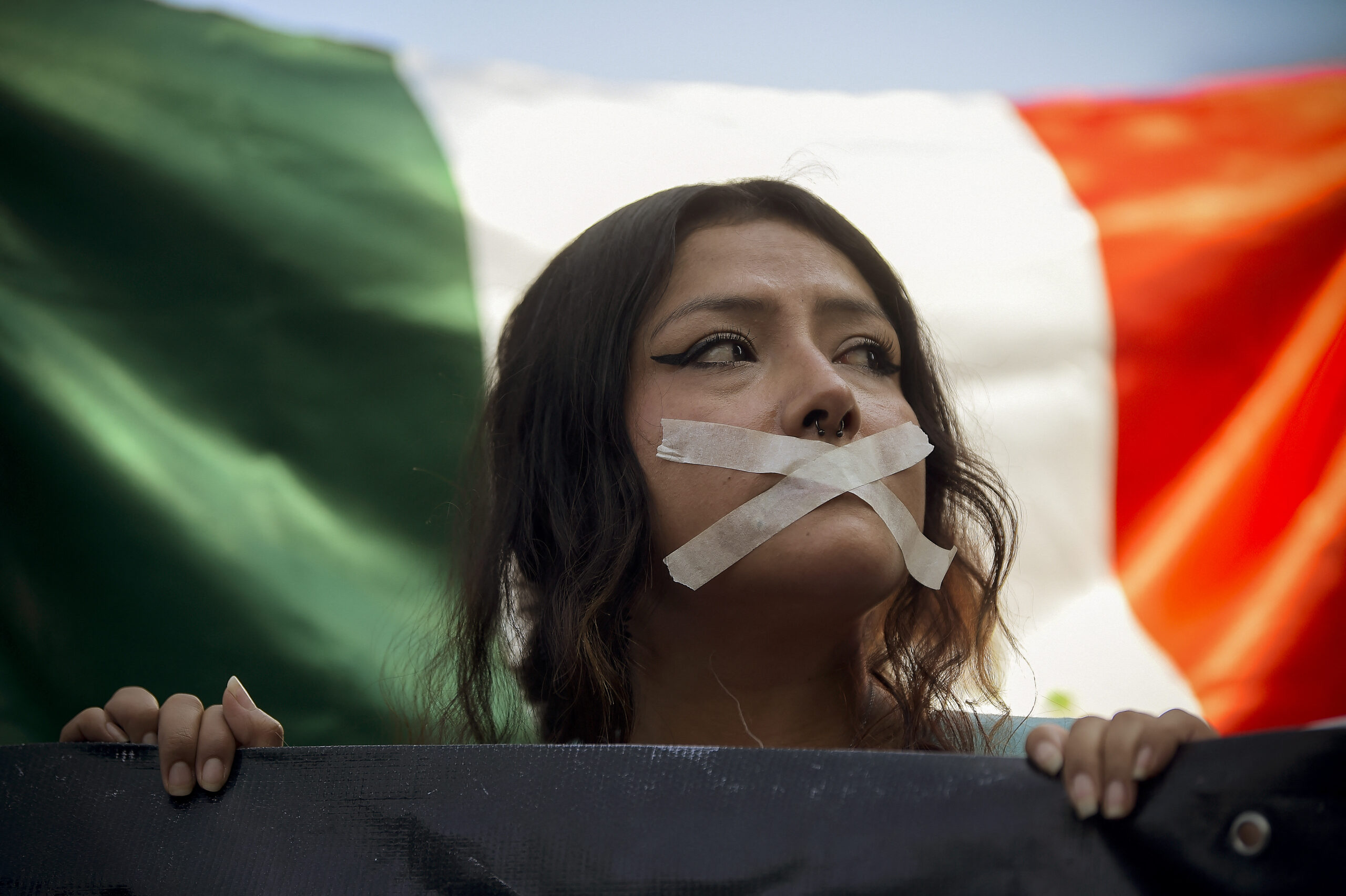
Imagine a world where joining a community group, advocating for workers’ rights, or organising a protest could land you in jail, or, worse, bankrupt your organisation overnight. Where governments label activists as “terrorists” or “foreign agents”, freeze their bank accounts, and shut down their websites. Where the simple act of speaking out is met with digital surveillance, smear campaigns, and laws so vague that almost any criticism can be criminalised.
This is not dystopian fiction. It is the reality for civil society in much of the world today.
Freedom of association – the right to form and join groups, from trade unions to human rights organisations – is under siege. Across continents, authoritarian regimes and even some democracies are using a mix of financial coercion, repressive laws, digital surveillance, and toxic narratives to silence dissent and shrink civic space.
The result is a global perfect storm that threatens the very foundations of democratic life. How is the collapsing international cooperation ecosystem impacting the enabling environment of civil society and freedom of assembly and association rights worldwide? And what are civil society’s resilience strategies and offers recommendations to protect civic space, including a fair, sustainable global aid architecture that preserves fundamental freedoms?
The Weaponisation of Resources: Starving Civil Society
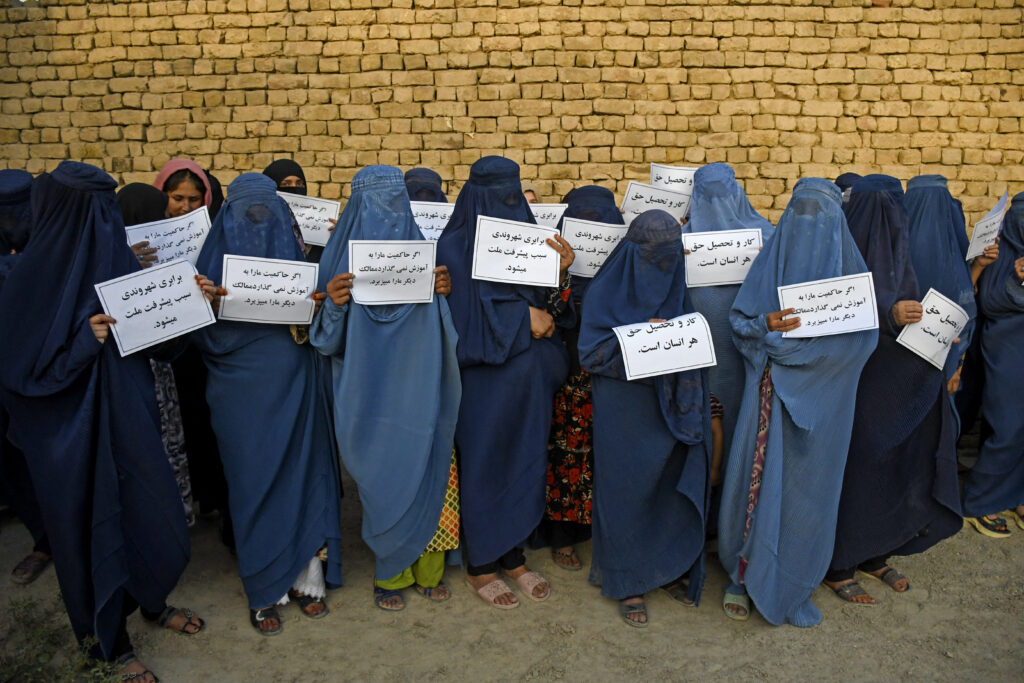
Money is the lifeblood of any civil society organisation (CSO). Without it, they cannot print flyers, rent offices, or pay staff. Recognising this, governments are increasingly using financial tools not just to restrict funding to civil society but also to punish it.
El Salvador’s “foreign agents” law is a case in point. Enacted in 2025, it imposes a 30 per cent tax on all foreign funds received by organisations labelled as “foreign agents”. The law is designed to discourage international support for civil society and independent media. Organisations thus either lose up to a third of their budget to the state depending on the extent of their foreign funding, or they forgo foreign funding entirely to avoid being stigmatised as “foreign agents”. Some donors refuse to let their local partners use their funds to pay the tax, leaving groups with no choice but to scale back their work.2 The government grants exemptions selectively, using it as a tool to prevent funding for projects or issues it dislikes.
In many countries, human rights defenders – such as the leader of an environmental collective in Ecuador3 – are having their bank accounts frozen or being charged with money laundering to discredit them and disrupt their work. Denial of resources has become a weapon in the arsenal of repression – authorities are not only throttling the flow of aid, but also blocking or taxing funds, fining organisations, and using financial laws to silence critics.
In Nigeria, the government has frozen the accounts of and launched investigations into CSOs, accusing them of money laundering and terrorism, often without evidence.4 In Nicaragua, the government has taken weaponisation further: since 2018, it has systematically cancelled the legal registration and seized the assets of over 3,000 CSOs.5
Political bias is another problem – public funding might be directed primarily to government-organised CSOs or groups aligned with the interests and positions of the ruling party, rather than to independent or critical voices. In some countries, there is an implicit expectation that CSOs receiving public funds avoid confronting the government and authorities, which undermines the purpose of supporting civil society’s watchdog role.
Lack of transparency and fairness in the awarding of grants can also be a problem as, without clear criteria and oversight, local funding can be co-opted by patronage networks. On the private-sector side, individuals or companies may be reluctant to fund advocacy CSOs due to fear of government reprisals or public controversy. Additionally, tax incentives for local donations to CSOs are often limited, which is a structural disincentive.
All this directly undermines the ability of civil society to organise, assemble, or sustain collective action, as no group can function without resources. It also breeds self-censorship: many CSOs will think twice about launching a bold campaign or outspoken protest if they know their funding or even their legal existence could be jeopardised in retaliation.
The message is clear: if you challenge the government, your funding and your survival is at risk.
The Legal Noose: Restrictive Laws and Criminalisation
Beyond financial attacks, governments are tightening the legal screws. Under the guise of transparency, anti-money laundering, or counterterrorism, they are passing laws that give the authorities sweeping powers to monitor, harass, and shut down civil society.
In November 2024, Paraguay enacted such a law on the “Control, Transparency, and Accountability of Non-Profit Organisations” despite an outcry from local CSOs that it would vastly increase state control over civil society. The law, reviving elements of an earlier failed attempt at passing a “foreign agents” bill, imposes stringent reporting and oversight, creating a chilling effect as minor administrative missteps could be used to penalise critical organisations or arbitrarily deny registration to “inconvenient associations”.6
In Peru, a 2025 law mandates prior government approval for projects using international funds and imposes harsh sanctions for “misuse” – a term so broad it could include any activity the government dislikes, such as legal aid or public interest litigation.7 In Sri Lanka, a draft CSO law proposes extensive state oversight, risking the stigmatisation of any group perceived as opposing the government.8
Cambodia offers a stark example of how financial regulations can be weaponised. In 2023, the authorities used new tax standards to fine CSOs thousands of dollars – sums that can bankrupt small organisations.9 The government has a history of using technical pretexts, such as minor registration issues or tax evasion allegations, to silence critics.
The impact of such measures is devastating. CSOs withdraw from coalitions, avoid sensitive topics, and self-censor to avoid legal trouble. Another consequence is that private vendors refuse to provide services and that local donors withdraw support after the authorities have labelled groups as “undesirable”, as activists in Uganda report.10 The right to associate is not just restricted – it is erased through fear.
The Digital Iron Curtain: Surveillance, Censorship, and Cyber Repression
As more activism moves online, governments are pursuing civic actors there too. Digital repression has become a key tool for silencing civil society, with tactics ranging from surveillance to censorship. Governments use a range of digital tools to surveil civil society actors and organisations. This includes using sophisticated spyware and biometric technologies such as facial recognition, tapping messaging apps and social media, and hacking activists’ social media accounts.
Freedom House reports that global internet freedom declined for the 15th consecutive year in 2025.11 Authoritarian governments often employ censorship and offline repression to quash protests organised online. In Kenya, the authorities shut down the internet during nationwide protests.12 Collective action online faces risks precisely because of its potential for enabling change, as seen in Bangladesh’s student-led uprising that ousted a repressive government.13
Myanmar’s military junta has intensified its digital repression, using AI-powered surveillance, Chinese firewall technology, and a sweeping Cybersecurity Law to monitor and punish online activity. The result has been mass arrests, self-censorship, and a climate of fear.14 In Indonesia, the authorities used digital surveillance to target protesters during the August 2025 crackdown. Over 3,000 people were arrested, and activists were detained at demonstrations and in their homes. The government’s failure to address accusations of use of excessive force by the security forces has deepened fears of civic space shrinking.15
Zimbabwe has warned WhatsApp group admins that they could face arrest for allowing the circulation of “unverified” corruption allegations.16 In Argentina, new decrees allow the Federal Police to conduct cyberpatrols and warrantless searches, threatening digital privacy and free expression.17
The use of bots and of disinformation campaigns (including employing generative AI) on social media by political actors to peddle narratives that undermine the legitimacy of civil society actors – for example, by portraying them as “foreign agents” – is increasing. Content-based threats are also on the rise, with governments and their allies using bots, troll factories, and disinformation campaigns to smear civil society.
In Paraguay, social media is flooded with narratives portraying CSOs as corrupt, unaccountable, or as foreign agents undermining national sovereignty. In Nigeria, government-orchestrated trolls have disputed witness testimonies of police brutality during protests. In Tajikistan, civil society activists are targeted by online harassment and pro-government troll factories that flood social media and online media comment sections. In Chile, there has been an increase in online harassment and smear campaigns targeting journalists, human rights defenders, and activists.18 In Palestine, YouTube has taken down accounts associated with organisations sanctioned by the US.19
The digital environment is also being regulated in ways that undermine civil society. Sierra Leone’s Cybersecurity and Cybercrime Act has been used to harass journalists and human rights defenders, while Nigeria’s Cybercrime Law is so vague that it criminalises legitimate expression. In Pakistan, the Prevention of Electronic Crimes Act gives authorities broad powers to impose disproportionate penalties for online speech.20
Governments are using “technical measures”, such as Domain Name System and Internet Protocol blocking or distributed denial of service attacks, as well as online content takedown orders to social media platforms, to undermine free expression by controlling and censoring content. CSOs have been victims of cyberattacks by government-aligned actors or had their websites blocked or taken down.
Toxic Narratives: The War on Civil Society’s Legitimacy
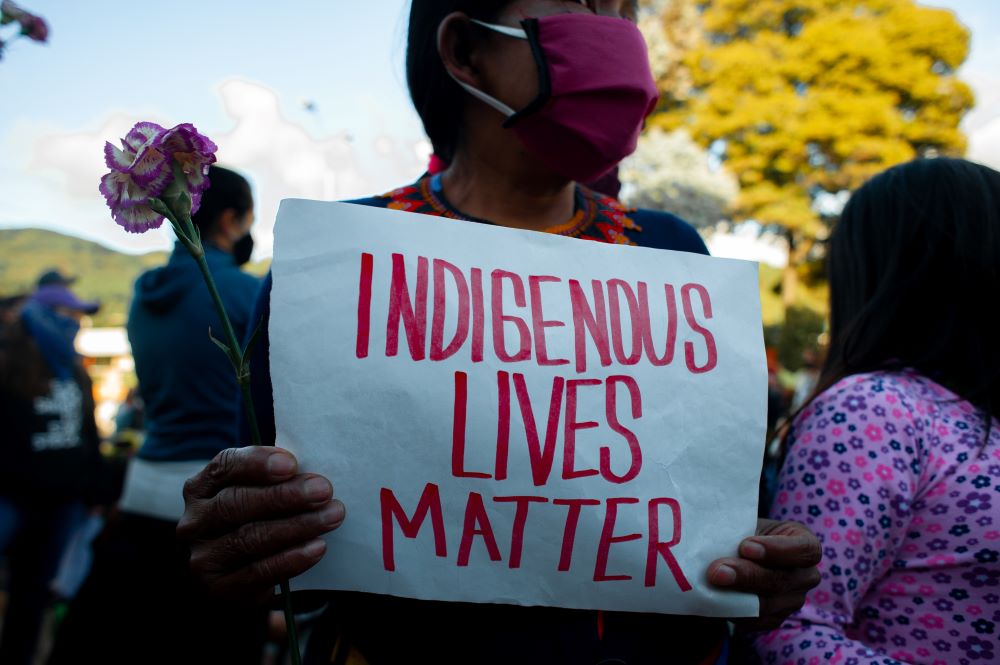
Perhaps the most insidious threat is the delegitimisation of civil society. Governments and their allies are portraying activists as “foreign agents”, “anti-development”, or even “traitors”. The prevalence of toxic public narratives and misinformation about civil society, often driven by political leaders, erodes public trust and emboldens more aggressive actions against these groups. High-ranking officials increasingly demonise CSOs or social movements (for example, by calling them “anti-state”, “corrupt”, or agents of foreign influence). These narratives not only erode public trust but are also used to justify crackdowns.
In Mexico, in 2022, President Andrés Manuel López Obrador accused independent civil society groups of being part of a US-funded plot.21 In Burundi, officials routinely stigmatise CSOs aligned with international actors.22 In Paraguay, the passage of a restrictive CSO law followed a campaign portraying civil society as obstructing government agendas. The Paraguayan civic platform POJOAJU has noted “a broader political trend in which toxic narratives demonise CSOs with the intention to silence critical views”, echoing patterns seen in Nicaragua, El Salvador, and Russia.23
In Nigeria, the ending of US funding has intensified the narrative seeking to criminalise civil society, with terms like “money laundering” and “criminal organisations” increasingly attached to CSOs. The country’s House of Representatives has launched investigations, demanding financial documents from CSOs, and a new bill for regulating CSO activity reappeared in March 2025.24
The impact is profound. When activists are labelled as threats, the public turns against them. Neighbours harass them. Businesses refuse to work with them. The space for collective action shrinks not just because of laws but also because of fear. The cumulative impact of these developments is stark: many civil society actors are self-censoring and scaling back their activities. In environments where protesting or speaking out could invite arrest or legal trouble, activists and community organisers hesitate to exercise their freedom of assembly and expression rights, and citizens hesitate to join them.
An EU SEE assessment from Uganda notes that “members of civil society face both overt and covert threats and intimidation… This results in self-censorship by civil society actors for fear of being arrested when they come out to protest repressive tendencies and laws”.25
Similar patterns are observed elsewhere. CSOs are withdrawing from coalitions that might anger the authorities, limiting their activities, or avoiding using certain language because of safety or legal risks, and they are experiencing changes to the engagement from supporters, volunteers, and partners.
The Securitisation of Dissent: When Activism Is Labelled “Terrorism”
The securitisation of discourse and policy – that is, framing various social and political issues as matters of security – has become a major driver of restrictions on freedom of assembly and association worldwide. Laws designed to combat terrorism or money laundering are being used to target civil society, often with devastating effect.
In Hong Kong, the Beijing-imposed National Security Law has been used to disband pro-democracy groups.26 In Myanmar, the authorities used the Counter-Terrorism Law to bring criminal charges against independent civil society.27 In India, the Unlawful Activities Prevention Act has been used to detain student leaders and tribal rights defenders, conflating dissent with insurgency.28
This trend is visible even in more democratic settings. In Sri Lanka, the Prevention of Terrorism Act has been used to arbitrarily detain critics. While the government has promised to amend the law, the damage is already done: activists live in fear of arrest.29
The Financial Action Task Force (FATF), an intergovernmental organisation focused on combatting money laundering and countering terrorist financing, has inadvertently fuelled this trend. Its Recommendation 8, which flags non-profit organisations as potential terrorism financing risks, has led to excessive banking restrictions and surveillance of civil society.30 In Bangladesh, banks now require heightened due diligence for CSO transactions.31 In Pakistan, FATF-inspired laws are used to justify harassment and deregistration.32 Although FATF has revised its recommendations and associated guidance to address some of these issues, this has not meaningfully improved the situation for civil society in many countries, where it continues to face barriers to accessing banking services and governments continue to use FATF as a justification for measures that constrain civic space.
In regions experiencing insurgencies or conflicts (such as the Sahel, the Middle East, and parts of Asia), governments have come together in coalitions that prioritise security cooperation while downplaying human rights commitments. For instance, several governments in the Sahel have justified closing civic space by citing alignment with their counterterrorism partners and regional security compacts – they use the cloak of collective security to implement draconian measures at home. In Indonesia, activists worry that the involvement of the military in areas like “countering misinformation” might lead to surveillance of CSOs and journalists.33
These cases exemplify how a security mindset criminalises social grievances. Rather than seeing protests as a democratic expression to be facilitated, some governments view them as insurgencies to be suppressed.
On the global stage, heightened geopolitical tensions and a resurging emphasis on national security have filtered down into aid policies and international cooperation in ways that harm civic space. For example, many donor governments are redirecting aid to security-oriented objectives, such as migration control, counterterrorism, rearmament, and military assistance, at the expense of funding for governance, human rights, and civil society.
Governments across Europe are cutting back on this area of funding. For example, the Netherlands has slashed 30 per cent of its aid budget, redirecting funds to projects that “directly contribute to Dutch interests”. Other countries have made similar moves. In the UK, the government has committed itself to increasing defence spending to 2.5 per cent of GDP by 2027 and slashed the international aid budget from 0.5 per cent to 0.3 per cent. This amounts to an annual £6 billion being redirected from aid to defence.
These shifts reflect a broader trend: less support for civil society and more for security forces or hard infrastructure, altering the international aid ecosystem in a way that sidelines freedom of association considerations.
Civil Society Fights Back: Innovative Strategies for Resilience
Despite the global storm of repression it is facing, civil society is not passive. Organisations are developing innovative strategies not only to survive but also to thrive.
1. Diversifying Funding and Building Local Alliances
With traditional donor support eroding, many CSOs are turning to new funding sources: foundations in East Asia, the Middle East, and Latin America; diaspora communities; and ethical business partnerships. Some are launching small income-generating projects or using digital tools – such as online fundraising, cryptocurrency donations, and mobile payment platforms – to bypass government controls.
In Uganda, CSOs are promoting community philanthropy as a source of “warm money” that enhances local ownership and resilience.34 In Indonesia, a national platform of CSOs is advocating the issuing of a Presidential Regulation on Civil Society Endowment Funds, which would enable direct support from the national budget.35
2. Coalition-Building and Solidarity Networks
Civil society is forming coalitions and support networks at the national, regional, and global levels. These enable resource sharing, coordinated advocacy, and joint action against restrictive legislation.
In Sri Lanka, CSOs formed a coalition in 2024 to oppose a proposed repressive anti-terrorism law and withdrew from the government’s Open Government Partnership process in protest.36 This collective action forced a delay and reconsideration of the draft law.
In Paraguay, larger CSOs with robust financial systems began helping smaller grassroots groups with compliance matters to enable them to avoid fines or closure, while legal aid organisations offered free counsel to targeted associations.
3. Legal and Advocacy Campaigns
Where there is judicial independence, civil society is pursuing litigation to overturn repressive laws. In Kenya, the High Court ruled that several concerning provisions of the Public Benefits Organisation Act were unconstitutional, including one that required CSOs registered under an earlier law to re-register, setting a precedent for protecting associational rights.37 In Armenia, mass public campaigns stopped a “foreign agents” bill from being enacted.
4. Digital Resilience and Narrative Change
CSOs are investing in digital security, training staff in media engagement, and using storytelling to reclaim narratives. Initiatives like the “We Are Leaving No One Behind” campaign showcase how civil society supports marginalised communities, from defending Indigenous rights in Honduras to ensuring inclusive, transparent, and fair management of natural resources in Madagascar.38
5. Policy Advocacy and Global Solidarity
Civil society is pushing for systemic reform. At the 4th UN Financing for Development Conference in Seville in 2025, CSOs advocated debt justice, transformative financial reforms, and the inclusion of civil society in decision-making processes.39 The “Turn Debt into Hope” campaign, led by the global south, highlights the need for equitable and sustainable financing.40
Reimagining the Aid Architecture: A Call for Systemic Change
The current aid system is broken. Donor withdrawals, the securitisation of agendas, and the weaponisation of resources have created a perfect storm for civil society. To reverse this trend, a transformative aid architecture is needed – one that is fair, sustainable, and explicitly supportive of civil society’s independence. The assault on freedom of association is not inevitable. Governments, donors, and international organisations can – and must – act to protect civic space.
Here is how:
1. Protect Access to Resources: Predictable, Flexible, and Long-Term Funding
Donors must move away from short-term, project-specific grants towards core, unrestricted, multiyear funding. This allows organisations to weather crises, invest in capacity, and respond to emerging threats. Donors must collaborate to avoid gaps, duplication, and abrupt withdrawals. The EU SEE initiative and the CIVICUS Crisis Response Fund offer models for coordinated rapid-response funding that can be scaled up.
States must also ensure that civil society can freely seek, receive, and use resources. This means:
- Ending punitive taxes on foreign funding.
- Ending arbitrary account freezes and ensuring that financial investigations are conducted by independent agencies with due process.
- Tailoring financial regulations to the realities of CSOs, especially small and grassroots organisations.
- Encouraging domestic philanthropy through tax incentives and predictable legal frameworks.
Funding must reach local actors – grassroots movements, community-based organisations, and national CSOs.
2. Simplify Registration and Oversight of Civil Society While Ensuring Respect for Their Autonomy
Administrative barriers are often used to stifle and control civil society. States must:
- Replace authorisation requirements with simple notification for forming associations.
- Ensure registration processes are transparent, non-discriminatory, and subject to judicial review.
- Limit sanctions, suspensions, or dissolutions to proportionate measures with clear legal standards.
- Allowing CSOs to determine their leadership, priorities, and activities.
- Ensuring oversight mechanisms do not become tools of control.
3. Stop Weaponising Security Laws and Uphold Rights in Times of Crisis
Counterterrorism, cybersecurity, and anti-money laundering laws must not be misused to silence civil society. Crises cannot justify blanket restrictions on freedom of association. States should:
- Narrow definitions of terrorism and extremism to prevent their being applied to legitimate civic activity.
- Ensure digital and cybersecurity tools are not used to monitor or repress civil society actors.
- Avoid the use of national security as a pretext to block registration, funding, or operations.
- Ensure any derogation is necessary, proportionate, and time-limited.
- Protect civil society’s role in humanitarian response and advocacy during crises.
4. Counter Toxic Narratives
States must publicly affirm that civil society is legitimate and protect it from smear campaigns. This includes:
- Condemning delegitimisation by public officials and political leaders.
- Investigating and prosecuting incitement or harassment against activists.
- Promoting positive narratives about civil society’s role in democracy and development.
5. Safeguard Digital Rights and Ensure Inclusive and Rights-Based Digital Governance
Freedom of association online must be defended. States must:
- Prohibit unlawful surveillance of civil society actors.
- Ensure encryption, privacy, and anonymity are protected.
- Hold digital platforms accountable for arbitrary content removal or cooperation with government censorship.
- Refrain from internet shutdowns and blocking that disproportionately affect CSOs.
Legislation for the digital sphere must protect, not repress, civil society. Governments must ensure that cybersecurity and data protection laws are rights-protective, not tools for surveillance or censorship.
6. Ensure Equal Access for Marginalised Groups
States must address structural barriers that prevent women, Indigenous peoples, LGBTQI+ communities, refugees, and other marginalised groups from exercising their right to associate. This means:
- Removing discriminatory laws and practices.
- Providing targeted support to groups facing systemic exclusion.
- Ensuring participation by marginalised groups in decision-making processes that affect their rights.
States and donors must establish red lines regarding violations of civic space. Resulting aid suspensions or reductions must be transparent, phased, and accompanied by support for affected organisations.
7. Regulate Private Actors
States must prevent banks, tech companies, and philanthropic entities from restricting or surveilling civil society. This includes:
- Prohibiting discriminatory service denial (for example, banks closing CSOs’ accounts without cause).
- Regulating digital platforms to prevent arbitrary censorship or data-sharing with governments.
- Ensuring philanthropic entities do not impose political conditions on funding.
8. End Transnational Repression
Governments must protect activists, diaspora groups, and exiled organisations from cross-border intimidation. This includes:
- Investigating and prosecuting foreign-originated threats or attacks against activists.
- Rejecting requests from foreign governments to deregister or stigmatise exiled organisations.
The Time to Act Is Now
The challenges facing civil society are monumental, but the path forward is clear. Civil society is not a threat – it is a pillar of democracy, a driver of development, and a voice for the marginalised. Protecting freedom of association is not just a legal obligation; it is a moral imperative. Civil society is already leading the way. The question is whether the international community will stand with it or stand by.
Footnotes
[1] Drawn from “EU SEE’s contribution to the UN Office of the High Commissioner for Human Rights civil society consultation on a new interpretation of Article 22 of the International Convention on Civil and Political Rights”, Draft General Comment No. 38 on Article 22 (Freedom of Association) of the International Covenant on Civil and Political Rights, 16 January 2026, https://www.ohchr.org/en/calls-for-input/2025/call-input-draft-general-comment-no-38-article-22-freedom-association.
[2] EU SEE Initiative, “Alert: CSO Shut down due to Foreign Agents Law – El Salvador”, EU SEE Supporting an Enabling Environment for Civil Society, 6 October 2025, https://eusee.hivos.org/alert/cso-shut-down-due-to-foreign-agents-law/.
[3] EU SEE initiative, “Enabling Environment Snapshot Ecuador”, EU SEE Supporting an Enabling Environment for Civil Society, January 2026, https://eusee.hivos.org/assets/2026/01/EN-Ecuador-2-ENG.pdf.
[4] EU SEE Initiative, “Alert: Investigation into CSOs Following Allegations of Funding for Terrorist Organisations Made by U.S. Senator – Nigeria”, EU SEE Supporting an Enabling Environment for Civil Society, 14 March 2025, https://eusee.hivos.org/alert/investigation-into-csos-following-allegations-of-funding-for-terrorist-organisations-made-by-u-s-senator/.
[5] Civicus Monitor, “Laws on Foreign Agents and Cybercrimes Restrict Civic Space Further in Nicaragua – Civicus Monitor, Civicus Monitor, 2020, https://monitor.civicus.org/explore/recently-approved-laws-foreign-agents-and-cybercrimes-restrict-civic-space-further-nicaragua/.
[6] EU SEE Initiative, “Alert: CSOs File Action of Unconstitutionality against “Anti-NGO Law” – Paraguay”, 18 December 2025, https://eusee.hivos.org/alert/csos-file-action-of-unconstitutionality-against-anti-ngo-law/.
[7] EU SEE Initiative and Proetica (Transparency International Peru), “Country Focus Report Peru 2025”, August 2025, p. 6, https://eusee.hivos.org/assets/2025/09/CFR_-Peru-English-JW-1.pdf.
[8] EU SEE Initiative, “Enabling Environment Snapshot: Sri Lanka”, 17 January 2025, p. 3, https://eusee.hivos.org/assets/2025/01/Sri-Lanka-EE-Baseline-Snapshot.pdf.
[9] EU SEE Initiative, “Enabling Environment Snapshot: Cambodia”, 18 February 2025, p. 3, https://eusee.hivos.org/assets/2025/02/Cambodia-EE-baseline-snapshot_def.pdf.
[10] EU SEE Initiative, “Uganda: Country Focus Report”, May 2025, p. 19, https://eusee.hivos.org/assets/2025/10/Uganda-CFR-New-Template-1.pdf.
[11] Vesteinsson, Kian, and Grant Baker,Freedom on the Net 2025: An Uncertain Future for the Global Internet, Freedom House, 2025. https://freedomhouse.org/report/freedom-net/2025/uncertain-future-global-internet
[12] EU SEE Initiative, “Alert: Media Blackout by the Communications Authority of Kenya in the Wake of the Protests – Kenya”, EU SEE Supporting an Enabling Environment for Civil Society, 12 July 2025, https://eusee.hivos.org/alert/media-blackout-by-the-communications-authority-of-kenya-in-the-wake-of-the-protests/.
[13] EU SEE Initiative, “Enabling Environment Snapshot: Bangladesh”, September 2025, https://eusee.hivos.org/assets/2025/11/Bangladesh_Baseline-EE-snapshot_final.pdf.
[14] EU SEE Initiative, “Myanmar: Country Focus Report”, July 2025, p. 16, https://eusee.hivos.org/assets/2025/09/FINAL-Country-Focus-Report-Burma-edited.pdf.
[15] EU SEE Initiative, “Alert: Mass Arrests of Protesters after the August 2025 Demonstrations – Indonesia”, EU SEE Supporting an Enabling Environment for Civil Society, 13 October 2025, https://eusee.hivos.org/alert/mass-arrests-of-protesters-after-the-august-2025-demonstrations/.
[16] EU SEE Initiative, “Alert: Justice Minister Threatens WhatsApp Group Admins over Corruption Posts, Sparking Fears of Digital Repression in Zimbabwe – Zimbabwe”, EU SEE Supporting an Enabling Environment for Civil Society, 4 September 2025, https://eusee.hivos.org/alert/justice-minister-threatens-whatsapp-group-admins-over-corruption-posts-sparking-fears-of-digital-repression-in-zimbabwe/.
[17] EU SEE Initiative, “Alert: “Cyberpatrol” Reforms to Federal Police Statutes Threaten Privacy and Freedom of Expression – Argentina”, EU SEE Supporting an Enabling Environment for Civil Society, 29 July 2025, https://eusee.hivos.org/alert/cyberpatrol-reforms-to-federal-police-statutes-threaten-privacy-and-freedom-of-expression/.
[18] Kumar, Sheetal, et al., The Enabling Digital Environment for Civil Society: Global Trends in Repression and Resistance – an EU SEE Perspective, EU SEE Initiative, October 2025, https://eusee.hivos.org/assets/2025/11/20251106_TheEnablingDigitalEnvironment_VectorOption-1.pdf.
[19] EU SEE Initiative, “Alert: YouTube Removes Hundreds of Videos from Palestinian Organisations Documenting Israeli Human Rights Violations – Palestine”, EU SEE Supporting an Enabling Environment for Civil Society, 24 November 2025, https://eusee.hivos.org/alert/youtube-removes-hundreds-of-videos-from-palestinian-organisations-documenting-israeli-human-rights-violations/.
[20] Kumar, Sheetal, et al. The Enabling Digital Environment for Civil Society: Global Trends in Repression and Resistance – an EU SEE Perspective, EU SEE Initiative, October 2025, https://eusee.hivos.org/assets/2025/11/20251106_TheEnablingDigitalEnvironment_VectorOption-1.pdf.
[21] Stevenson, Mark, “Mexican President Calls Opponents Foreign Agents, Traitors”, AP News, 26 July 2022, https://apnews.com/article/mexico-caribbean-city-national-security-1d67ae1cb957c5e2c264d83cf2602b9e.
[22] EU SEE Initiative, “Enabling Environment Snapshot: Burundi”, 29 January 2025, p. 5, https://eusee.hivos.org/assets/2025/01/burundi-ee-baseline-snapshot-def.pdf.
[23] EU SEE Initiative, “Alert: Lawmakers Continue to Push for Regulation to Enforce “Anti-NGO” Law, Support the Suspension of USAID Funding – Paraguay”, EU SEE Supporting an Enabling Environment for Civil Society, 21 March 2025, https://eusee.hivos.org/alert/lawmakers-continue-to-push-for-regulation-to-enforce-anti-ngo-law-support-the-suspension-of-usaid-funding/.
[24] EU SEE Initiative, “Nigeria Country Focus Report 2025”, June 2025, p. 8. https://eusee.hivos.org/assets/2025/12/Nigeria-NEW-CFR-TEMPLATE-v2.pdf.
[25] EU SEE Initiative, “Enabling Environment Snapshot: Uganda”, 17 February 2025, p. 4, https://eusee.hivos.org/assets/2025/04/Uganda-EE-baseline-snapshot_def.pdf.
[26] EU SEE Initiative, “Hong Kong Country Focus Report 2025”, October 2025, p. 4, https://eusee.hivos.org/assets/2025/12/Completed-CFR_Hong-Kong.pdf.
[27] EU SEE Initiative, “Myanmar: Country Focus Report”, July 2025, https://eusee.hivos.org/assets/2025/09/FINAL-Country-Focus-Report-Burma-edited.pdf
[28] EU SEE Initiative, “Enabling Environment Snapshot:India”, June 2025, p. 3, https://eusee.hivos.org/assets/2025/07/India-EE-Baseline-Snapshot.pdf.
[29] Human Rights Watch, ““In a Legal Black Hole”: Sri Lanka’s Failure to Reform the Prevention of Terrorism Act”, Human Rights Watch, 7 February 2022, www.hrw.org/report/2022/02/07/legal-black-hole/sri-lankas-failure-reform-prevention-terrorism-act.
[30] International Center for Not-For-Profit Law, and European Center for Not-For-Profit Law, “Understanding and Responding to Government Over-Regulation Based on Money Laundering and Terrorist Financing Restrictions”, International Center for Not-For-Profit Law, 2021, https://ecnl.org/sites/default/files/2021-10/NPO%20ML%20TF%20Restrictions%20and%20Responses%20Briefer%20Africa.pdf.
[31] EU SEE Initiative, “Pakistan Country Focus Report 2025”, July 2025, https://eusee.hivos.org/assets/2025/09/Pakistan-Final-Country-Focus-Report_edited-with-TC.pdf.
[32] International Center for Not-For-Profit Law, and European Center for Not-For-Profit Law, “Understanding and Responding to Government Over-Regulation Based on Money Laundering and Terrorist Financing Restrictions”, International Center for Not-For-Profit Law, 2021, https://ecnl.org/sites/default/files/2021-10/NPO%20ML%20TF%20Restrictions%20and%20Responses%20Briefer%20Africa.pdf.
[33] EU SEE Initiative, “Alert: Draft Cybersecurity and Cyber Resilience Bill Signals Further Militarization of Digital Space – Indonesia”,EU SEE Supporting an Enabling Environment for Civil Society, 24 November 2025, https://eusee.hivos.org/alert/draft-cybersecurity-and-cyber-resilience-bill-signals-further-militarization-of-digital-space/.
[34] Uganda National NGO Forum, “Community Philanthropy: Empowering Change at the Grassroots Level”, Uganda National NGO Forum, 18 December 2023, ngoforum.or.ug/2023/12/18/community-philanthropy-empowering-change-grassroots-level/.
[35] EU SEE Initiative, “Enabling Environment Snapshot: Indonesia”, 29 January 2025, https://eusee.hivos.org/assets/2025/01/Indonesia-EE-baseline-snapshot.pdf,
[36] EU SEE Initiative, “Enabling Environment Snapshot: Sri Lanka”, 17 January 2025, p. 4, https://eusee.hivos.org/assets/2025/01/Sri-Lanka-EE-Baseline-Snapshot.pdf.
[37] EU SEE Initiative, “Kenya Country Focus Report 2025”, October 2025, p. 7, https://eusee.hivos.org/assets/2025/12/Kenya-CFR-new-template-v2-1-1.pdf.
[38] Forus International, “Forus International: We Are Leaving No One Behind”, Forus-International.org, 2026, https://www.forus-international.org/en/campaign/we-are-leaving-no-one-behind-are-you.
[39] Forus International, “Financing for Development Conference: “What We Need Are Bold Commitments””, Forus-International.org, 20 June 2025, https://www.forus-international.org/en/news/financing-for-development-conference-what-we-need-are-bold-commitments.
[40] Caritas International, “Turn Debt into Hope”, 2025, turndebtintohope.caritas.org/.