September 2026 was a month characterised by a wave of attacks on fundamental freedoms, particularly freedom of assembly, expression, and the right to protest.
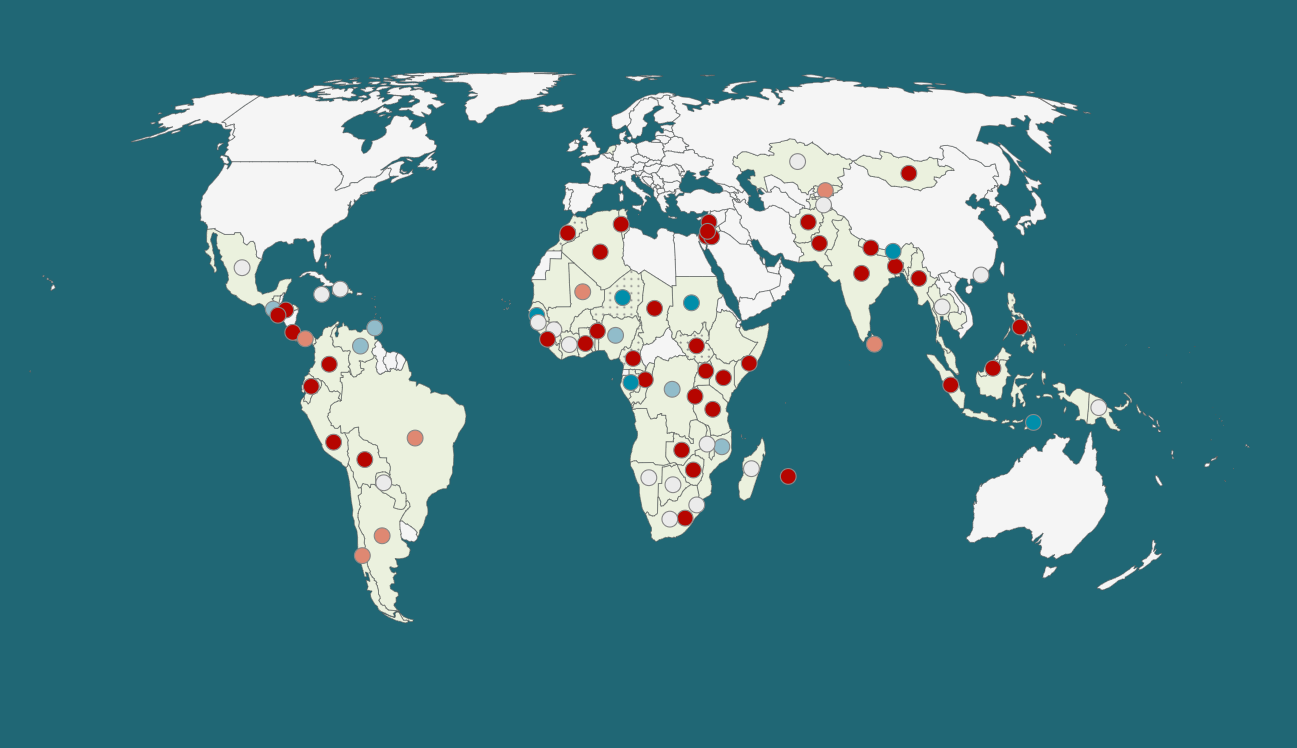
Across the 64 alerts recorded during the month, the main theme that stood out related to restrictions on protest and political mobilisation, however, trends were also observed in relation to growing pressures on journalists, media, and online expression, and legal and institutional reforms with significant implications for civic space and accountability.
1. Restrictions on Protest, Political Mobilisation
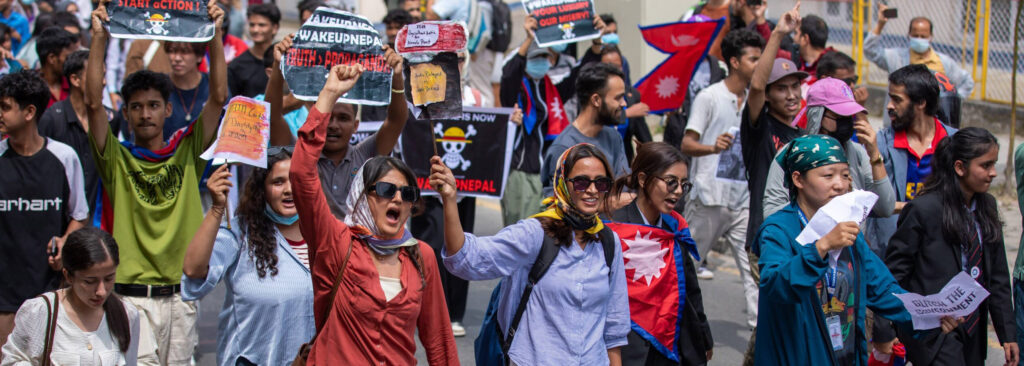
The most common trend in September was the restriction of protests, demonstrations, and opposition mobilisation. Across several countries, authorities imposed bans, restrictions, arrests, or criminal sanctions affecting civic action and political participation, often citing public order or security concerns. This supression runs in parallel with growing anti-corruption protests and general unrest trends throughout the 86 countries the EU SEE monitors. For a fuller picture of this trend, see our EU SEE alerts for September. Here are a few selected examples below:
Examples
- Bangladesh: Police restricted an anti-corruption rally in Dhaka, raising concerns regarding freedom of peaceful assembly and civic participation.
- Pakistan: Authorities imposed a two-month ban on rallies and demonstrations and introduced movement and communications restrictions ahead of a planned political march.
- Côte d’Ivoire: Activist Armand Krikpeu received a prison sentence linked to participation in a peaceful march, highlighting concerns regarding criminalisation of civic action.
2. Growing Pressures on Journalists, Media, and Online Expression
A second major theme was growing pressure on journalists, media outlets, and independent expression. Multiple alerts documented attacks, arrests and prosectuions of individual journalists, who continue to be some of the most endangered and at-risk members of civil society. Furthermore, the EU SEE observes a trend of restrictive regulatory measures affecting media actors and public debate.
Examples
- Benin: Activist Aimé Agbokou was placed in provisional detention over Facebook posts, raising concerns about online expression, digital speech, and the use of legal measures to penalise criticism expressed through social media.
- Guatemala: The arrest of a journalist contributed to a broader pattern of attacks against media workers documented during 2026.
- Lebanon: A new Media Law entered into force, raising concerns about its potential implications for freedom of expression and media regulation.
3. Legal, Institutional, and Governance Developments Affecting Civic Space
The third prominent trend involved legal and institutional reforms. A worrying trend that has come to prominence in 2026 involves the revocation of citizenship, or the threat thereof, by governments against civil society actors or dissenting voices.
Wider attempts to reform and smother governane institutions have negative implications for accountability, transparency, citizenship, and civic participation. EU SEE Principle 4, and open and responsive state, and Principle 3, a supportive legal and regulatory framework. are key pillars of an enabling environment for civil society. These alerts reflected ongoing struggles in this area between states and wider institutions intended to provide checks and balances on government power, and fair possibilities for civil society engagement with government.
Examples
- Niger: The revocation of Nigerien citizenship raised concerns regarding citizenship rights, inclusion, and the protection of fundamental freedoms.
- Indonesia: Hashim Djojohadikusumo launched 20 new mass organisations (Ormas) intended to oversee government policies. The initiative prompted debate about the relationship between civic organisations, political influence, and public accountability.
- Guatemala: A proposal to establish a specialised unit within the Public Prosecutor’s Office to review alleged cases of criminalisation represented a potential accountability mechanism for addressing misuse of the justice system.
- Chile: A multi-stakeholder dialogue on transparency and accountability in the extractive sector advanced discussion around implementation of the EITI standard and public oversight of natural resource governance.