August 2026 was characterised by three dominant civic space trends: pressures on fundamental freedoms and civic activism, civil society engagement in governance and institutional reform, and growing concern over access to information, media freedom, and public oversight.
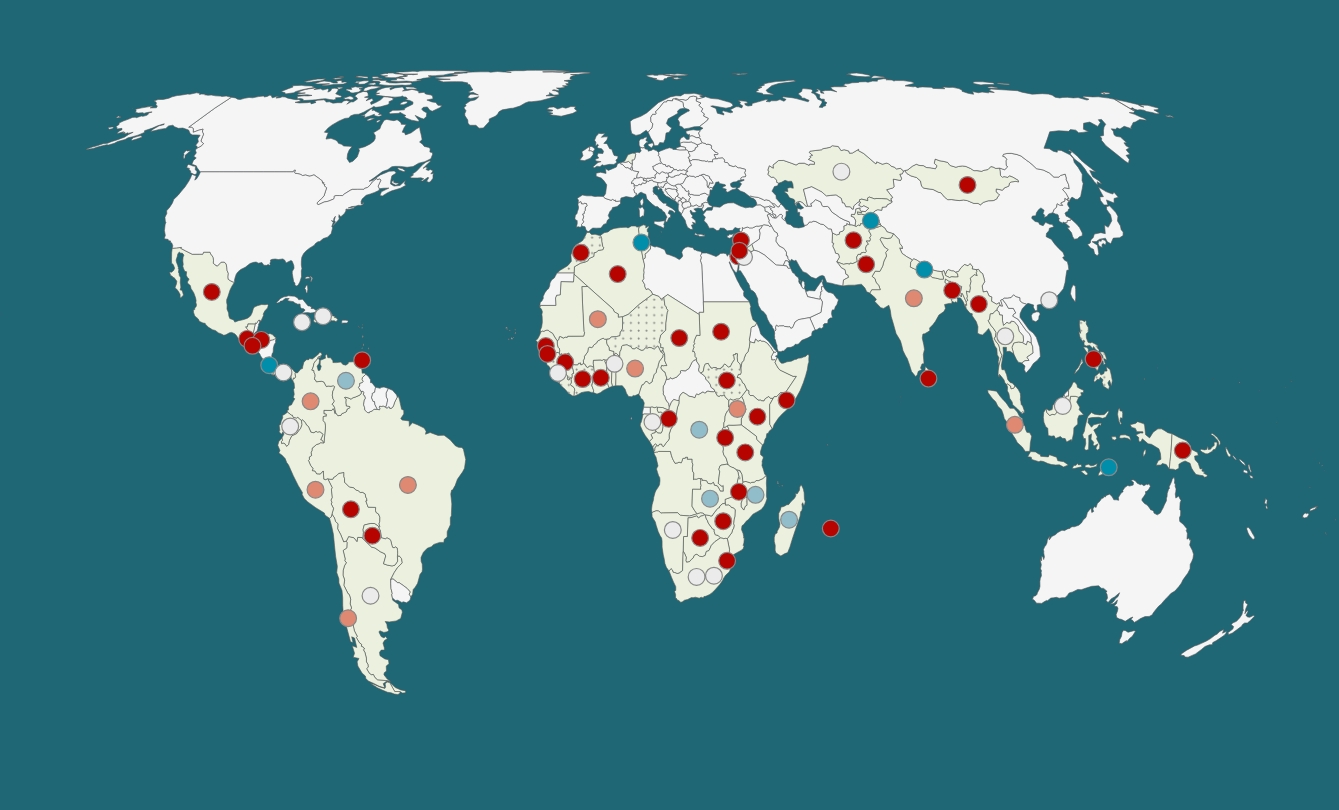
While bureaucratic and indirect methods of smothering the enabling environment for civil society have garnered attention in recent months, direct and violent measures are also on the rise. Across the 57 EU SEE alerts recorded during the month, the largest concentration concerned arrests, harassment, detention, and restrictions affecting activists, journalists, opposition figures, and human rights defenders. On the other hand, several alerts highlighted opportunities for civic engagement in policymaking and governance processes.
1. Pressure on Fundamental Freedoms, Activists, and Human Rights Defenders
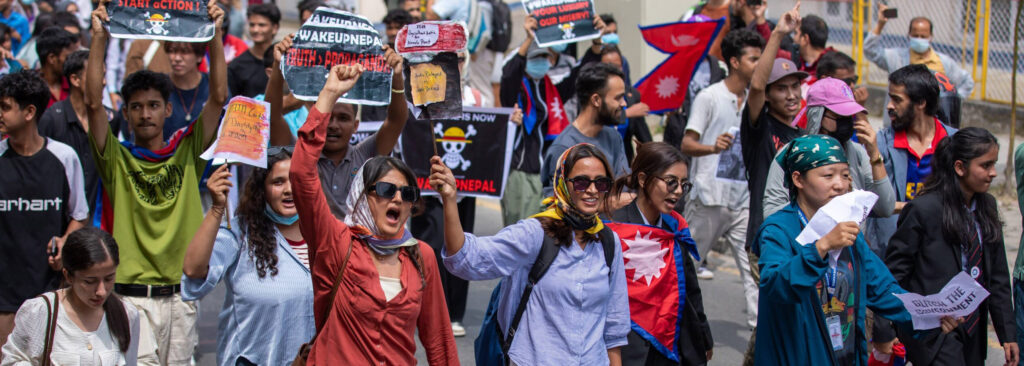
The most common trend reflected in the August alerts concerned the continued restriction of fundamental freedoms, particularly affecting activists, civil society leaders, opposition figures, and human rights defenders. The EU SEE has documented a number of arrests, detention, harassment, surveillance, and criminal proceedings against civic actors, Below are some prominent examples from Africa.
Examples
- Malawi: Governance activist Sylvester Namiwa was arrested and prosecuted, raising concerns regarding freedom of expression and civic participation.
- Uganda: Human rights lawyer Erias Lukwago remained in detention, prompting concerns regarding due process and the protection of civic actors.
- Tanzania: The arrest of advocate Peter Madeleka raised concerns about access to justice, public information, and the ability of lawyers and civic actors to engage in public affairs.
2. Civil Society Participation in Governance and Public Decision-Making
On a more positive note, August also saw several examples of civil society actors positively participating in public decision-making and governance processes, highlighting the beneficial insights that civil society can provide to support government public policy.
Examples
- Colombia: The government formally launched the National Action Plan on Human Rights 2026–2036, creating a framework for cooperation and engagement on human rights priorities.
- Nigeria: Authorities invited civil society input into the proposed National Policing Bill, providing a formal avenue for public participation in security sector reform.
- Bhutan: A landmark First Parliament–CSO Meeting created a new platform for dialogue between lawmakers and civil society organisations
3. Access to Information, Media Freedom, and Public Oversight
The third major trend involved growing concerns about transparency, access to information, and media independence. Multiple alerts highlighted restrictions on journalists, reductions in access to official information, and disputes over government transparency. The full database can be accessed on the EU SEE alerts page, filtering for Principle 6 on Access to a Secure Digital Environment.
Together, these developments reflect the evolution of techniques and policies put forward by governments to control and contend with the digital space. As governments look to close down public spaces for civic participation, they seek to do the same in the online world. However, civil society and democratic institutions are attempting to provide checks and balances to government activity in the space, as seen in the Costa Rica alert below.
Examples
- Kenya: Members of the Institute of Social Accountability (TISA) and the Okoa Uchumi Campaign reported harassment and surveillance linked to their advocacy work, raising concerns about the use of monitoring and intimidation against civil society actors.
- Ecuador: Access to President Daniel Noboa’s asset declaration was restricted, raising concerns about transparency and public accountability.
- Costa Rica: The Constitutional Court strengthened protections relating to public access to information on the government’s use of surveillance technologies, reinforcing transparency safeguards.
- Colombia: The government ordered the suspension of broadcasting by 20 Emisoras de Paz radio stations established under the peace process, raising concerns about media pluralism, access to information, and community participation in conflict-affected areas.